
.png)
She Was Uttarakhand's First Woman Stockbroker. Now She Spends Fifteen Days at a Time Hunting for Real Silk in Gujarat's Back Lanes.
Garima Sethi spent nearly two decades in finance, including, she says, a stint as the first woman stockbroker in Uttarakhand. These days, she measures a work trip by how many days she can stay in one market, trying to tell genuine handwork from a convincing fake.

Twenty years in finance, then a turn
Sethi holds an MBA in finance and worked in the financial sector for almost 20 years, she says. Handicrafts were always a private passion running alongside that career: she bought handmade and handcrafted pieces for herself and as gifts, and people regularly complimented the unique items in her home. She says she was also invited for an interview on CNBC TV18, though she couldn't attend after her husband had an accident around that time, and was separately featured a couple of times in the Hindustan Times for her earlier finance career. In 2022, after two decades in finance, she started her brand, Ethnic Dust.
Tote bags before sarees
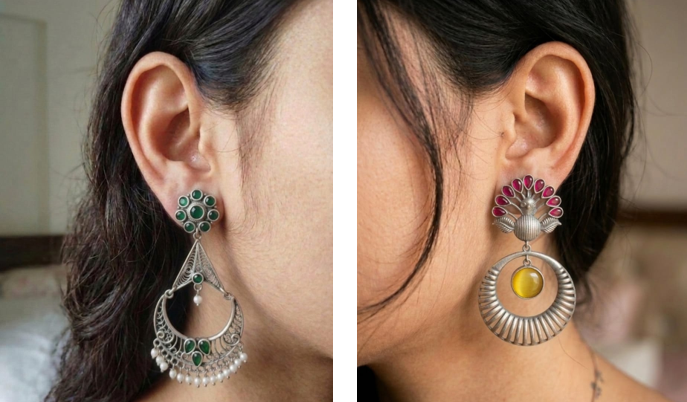
The business began after COVID, Sethi says, when many women near her, including domestic workers and neighbours, had lost income and many already owned sewing machines. She had them stitch bags, finished with crochet work, and later began collecting leftover fabric from local tailors to turn into pouches. An Instagram page brought a response she says was better than expected, with orders arriving from across India and from outside the country. As the business grew, she added hand-embroidered sarees, handloom sarees, and handmade ethnic jewellery, before eventually narrowing the catalogue to sarees, which she calls India's true ethnic wear, paired with brass-based, silver-polished jewellery rather than lighter fashion pieces, a choice she says was about keeping a premium, handcrafted identity. She still runs a small store for the original handmade products, even though Ethnic Dust shows only sarees and jewellery through Unhu.
The rule she won't break
"I strongly believe I will never sell ready-made products," Sethi says. Sarees, jewellery, or anything else added later, she says everything has to be handmade.
Trust, fraud, and fifteen days in Gujarat
Her biggest early setback, she says, was that people didn't trust a new business sold over Instagram and WhatsApp, since online fraud is common enough that buyers hesitate with new sellers. She also never built a team in the conventional sense: the women who stitched or packed worked on salary, and she kept sourcing, vendor selection, and procurement travel to herself. Most of that sourcing happens in Kolkata and Gujarat, she says, where sellers often claim a product is pure silk or genuine handwork when it isn't, and learning to tell the difference took time. She says she sometimes spends fifteen days straight working through markets and narrow lanes in Kolkata or Gujarat to find artisans and suppliers she can trust.
Where Unhu fits in
Sethi joined Unhu as a Member, upgraded again in January, and by the time of this interview had been at that stage for about six months. She says she's still planning to join the Inner Circle or Growth program, calling her own pace "a little slowly," and cites Kshitij Ji's advice that founders shouldn't keep wasting days without making decisions. She has gained customers through Unhu and her products sit in Unhu's Emporium, for which she pays rent, but says she has only explored a small part of what the community offers since she hasn't attended many sessions yet, a gap she plans to close from July. Her stated goal: vendors in close to fifteen Indian states already, and a brand strong enough that anyone in Dehradun looking for a genuine handmade product, a saree from Manipur or otherwise, thinks of Ethnic Dust first.
Why she's still doing it
"Whatever you truly loved during your childhood, never completely give up on that dream,"
Sethi says, when asked what she'd tell someone reading her story. She says life requires earning a living and meeting responsibilities first, but once things stabilize, that old dream is worth returning to.
Twenty years of reading markets taught her how to spot value. These days, she's hoping Dehradun reads one name when it wants something genuinely handmade: Ethnic Dust.
Key Takeaways
A finance career funded the pivot, not the other way around: Sethi built nearly 20 years in financial markets before starting Ethnic Dust in 2022, treating handicrafts as a long-held passion rather than a sudden idea.
The product line narrowed on purpose: from tote bags and crocheted baskets to a deliberately focused catalogue of sarees and brass, silver-polished jewellery, a conscious move away from lightweight fashion pieces.
Sourcing trust is earned in person, not online: with fraud common on Instagram and WhatsApp, Sethi says her credibility came from personally vetting artisans across Kolkata and Gujarat, sometimes over fifteen-day trips.
She never built a team, by her own account: salaried stitching and packing help exists, but sourcing, vendor relationships, and procurement travel have stayed entirely with her.
Unhu's value, in her telling, is still partly unclaimed: she credits the community with bringing customers and an Emporium presence, while admitting she's used only a fraction of what's available so far.
~Editor
Shivam Patil


Comments