
.png)
How a Kitchen Linen Brand Transformed into a Premium Travel Identity Label
Updated: Feb 16

When Shraddha Negi first became a part of the Unhu ecosystem, she was already known inside the Unhu Founders Community as a committed, sincere, and highly active member. She was not just another founder passing through the ecosystem. She was one of the earliest believers in the larger vision.
In fact, she was the first founder to enroll into the accelerator, long before it became an established program. At that time, the brand was not Juicyverse. It was called Juicy Apron.
This is the story of how a kitchen-and-dining product brand evolved into a premium, travel-inspired lifestyle label.
The Beginning: A Designer with Loved Products

Shraddha, a designer from NIFT, had already been actively selling through exhibitions. Her products were appreciated, and customers loved her designs.
Her core product categories included:
Table runners
Hand towels
Aprons
Tiffin bags
Gift baskets
Kitchen and dining textiles
At exhibitions, her stalls performed reasonably well. People appreciated her:
Color combinations
Print language
Fabric choices
Craft-driven aesthetic
But there was a structural issue.
Most of these products had low repeat value.A customer would buy an apron or table runner once, and not necessarily return for another.
This limited the brand’s long-term growth potential.
The First Big Decision: Rebranding the Entire Identity
When strategic discussions began, it became clear that a serious transition was required.
Two major insights emerged:
Kitchen and dining products, especially aprons, had low repeat purchase potential.
Customers were not attached to the product category. They were attached to Shraddha’s design language.
The real asset was not the apron.The real asset was the design identity.
However, there was one emotional challenge.
The name Juicy Apron was already known in Dehradun.Shraddha did not want to abandon the name entirely.
So a middle path was created.
The apron had to go.But the spirit of “Juicy” stayed.
That is how Juicyverse was born.
The Birth of Juicyverse: A Universe of Colour and Energy

Juicyverse was conceptualized as:
A universe of colours
A high-energy, nature-inspired brand
A reflection of travel, joy, and individuality
Instead of kitchen textiles, the new focus shifted to:
Sling bags
Tote bags
Travel pouches
Stoles and scarves
This was a category with:
Higher repeat value
Better gifting potential
Stronger identity expression
Wider market appeal
Focused Design Strategy: Only Three Core Series

Instead of launching dozens of designs, a disciplined approach was adopted.
Shraddha focused on three core design series:
1. Malsi Series
Inspired by the natural beauty of Dehradun and the Malsi region.Earthy, calming, and nature-driven.
2. Flower Power Series
Colorful, vibrant, and energetic.Representing the joy and playfulness of flowers.
3. Sunflower Series
Bright yellow tones.A symbol of confidence, optimism, and warmth.
All three series were:
Nature inspired
Emotionally expressive
Visually distinctive
Every design was original and created by Shraddha herself, reflecting her strength as a knit designer.
The Brand Symbol: The Monal Bird

For the logo, the Monal was selected.
The Monal is the state bird of Uttarakhand.
It is vibrant, colorful, and elegant.
It resembles a peacock in its visual energy.
It perfectly represented Juicyverse:
Full of colour
Rooted in Uttarakhand
Graceful and distinctive
Launch Day at the Unhu Startup Emporium

On 5 August 2025, when the Unhu Startup Emporium launched at Address One, Juicyverse was one of the featured brands.
The response was immediate.
On the very first day:
Juicyverse did over ₹45,000 in sales
This validated one key insight:
People were not just buying products.
They were buying the design identity.

Overcoming the Fear of Premium Pricing
Shraddha initially had strong doubts.
She questioned:
Whether her products could sell at premium prices
Whether customers would accept a luxury positioning
Whether a premium brand could emerge from Uttarakhand
But the direction was clear:
Juicyverse would not sell bags.It would sell identity.
The brand was positioned as:
A premium, expressive, travel-inspired label for women who are full of life, colour, and individuality.
Continuous Feedback and Product Evolution

While the bags were gaining traction, another important insight emerged.
Customers loved:
Her embroidery work
The detailing in table runners
This feedback was not ignored.
Shraddha started working on:
Bags with embroidery elements
Textile craftsmanship blended with modern silhouettes
This allowed the brand to carry forward its original strengths into its new product category.
Founder Recognition: Best Woman Entrepreneur of the Year

At the Unhu Founders Conclave 2025, Shraddha was awarded:
Best Woman Entrepreneur of the Year
The recognition was:
Celebrated in front of hundreds of founders
Completely undisputed within the community
A reflection of her hard work, loyalty, and sincerity
Inside the ecosystem, she was known for:
Strong networking
Powerful social media presence
High consistency in execution
Absolute commitment to her work
Her intent and loyalty were never in question.
The Mid-Phase Challenge: Sales Dips and Repositioning

As the brand matured, sales began to dip at one stage.
This was not a failure. It was a signal.
It became clear that:
The positioning needed to become sharper
The content needed to feel more premium
The brand needed to be more selective
A strategic shift was made:
Move from relatable, casual content to premium photo and video shoots
Stop participating in random exhibitions
Only enter premium exhibitions where the right audience was present
This single shift changed the trajectory again.
Discovering the Core Customer
Through consistent:
One-on-one sessions
Group workshops
Strategic calls
Weekly accountability meetings
A clear customer insight emerged.
Juicyverse was being loved by two specific groups:
1. Women Who Love Traveling
Whenever they planned a trip, they naturally gravitated toward Juicyverse.
The brand became a travel companion.
2. Women Who Already Had Everything
These women:
Owned luxury bags
Had top global brands in their wardrobes
Were tired of neutral, repetitive designs
They did not want:
Beige
Brown
Black
Boring, logo-heavy luxury
They wanted something:
Colourful
Expressive
Personal
Different from everyone else
Juicyverse became their answer.
It became:
A brand for women who had it all, and now wanted identity over labels.
Sales Performance and Market Reach
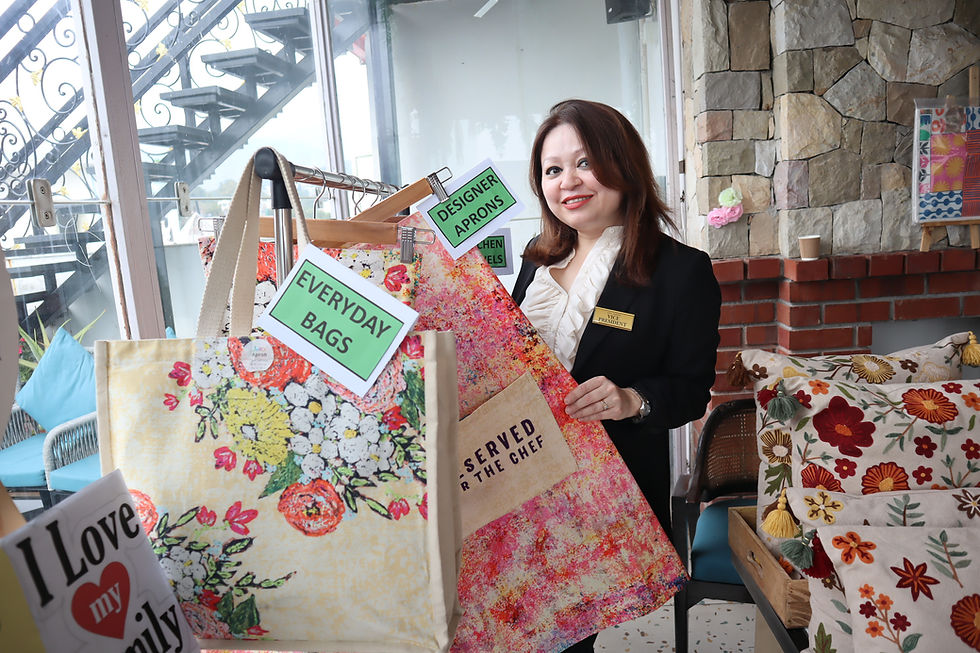
Over time, Juicyverse achieved:
₹3,50,000+ in revenue from the Emporium alone
Orders from across India
Strong traction among travel-focused customers
At the same time:
Shraddha started receiving design projects
Institutions began approaching her for collaborations
Her personal reputation as a designer strengthened
The Brand Today
Today, Juicyverse stands as:
A premium, colour-driven travel brand
Loved by women with elegant and expressive taste
Known for original, designer-led pieces
Rooted in nature and Uttarakhand identity
Core products gaining traction include:
Tote bags
Sling bags
Travel pouches
Stoles and scarves
While:
Table runners and cushion covers still remain appreciated in her collection.
What This Case Study Really Shows
Juicyverse did not grow because of:
Random product launches
Price cuts
Mass exhibitions
It grew because of:
Bold rebranding decisions
A focused product category
Strong design-led identity
Premium positioning
Founder loyalty and consistent execution
A Note from Unhu
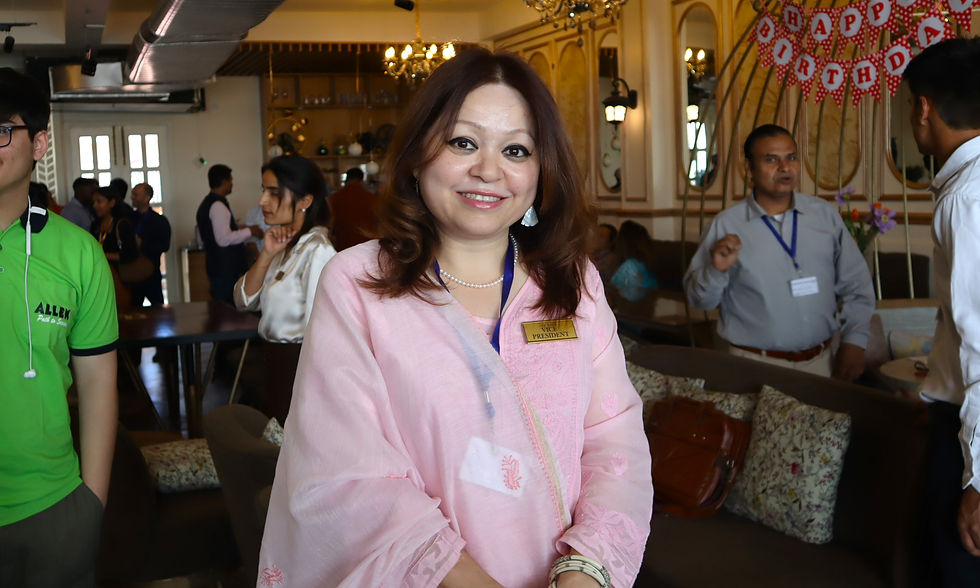
Shraddha Negi is one of the strongest and most sincere founders inside the ecosystem.
Her journey reflects:
Loyalty to the community
Courage to rebrand
Discipline in execution
Long-term thinking
Juicyverse is not just a bag brand.
It is:
A universe of colour, travel, nature, and identity.
And Shraddha remains one of the most powerful women entrepreneurs to emerge from the ecosystem, with a brand that continues to grow in strength and recognition.
This is the story of Juicyverse.


Comments